
Climate change adaptation & mitigation
Helping communities prepare for and respond to climate shocks through practical, community-led solutions.
Who we are
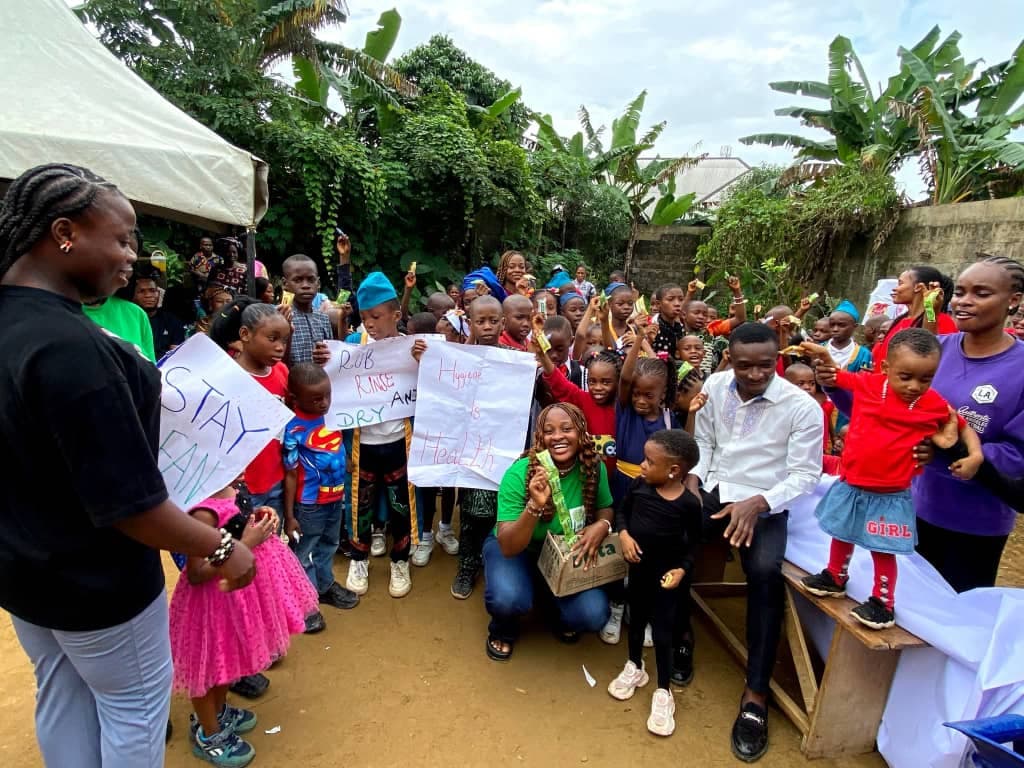
We work where climate, livelihoods and ecosystems meet — because in the Niger Delta they are not three problems, they are one.
Eco Alliance Green Solutions restores degraded landscapes and mangrove forests, trains farmers in climate-smart practice, brings climate literacy into classrooms, and expands access to clean cooking, safe sanitation and waste recovery. The work is deliberately integrated, because the challenges are.
Women lead most of what we do. They carry the heaviest cost of environmental change and are the fastest route to community-wide resilience — so we invest in their leadership, skills and participation in environmental decision-making. Young people are partners in shaping today, not only leaders of tomorrow.
Every programme is designed with the community that will run it long after we leave. We measure success by the ecosystems restored, the women who rise to lead, and the partnerships that outlast a single funding cycle.
Our approach
We start with the community, not the proposal — understanding local priorities and co-creating the solution.
Training, education and technical support that strengthens local knowledge and leadership.
Delivering evidence-based environmental and community development programmes on the ground.
Tracking results, measuring impact and improving continuously through data and community feedback.
Our focus areas
Helping communities prepare for and respond to climate shocks through practical, community-led solutions.
Protecting biodiversity and bringing degraded ecosystems back into productive life.
Restoring mangrove forests that capture carbon, hold coastlines together and feed local livelihoods.
Equipping children, youth and communities with the knowledge and skills to protect their environment.
Climate-smart farming practices that improve food security and raise farmer incomes.
Turning waste into a resource and cutting the pollution load on land and water.
Clean energy access that improves health, reduces emissions and takes pressure off forests.
Healthier communities through hygiene education and access to safe sanitation.